
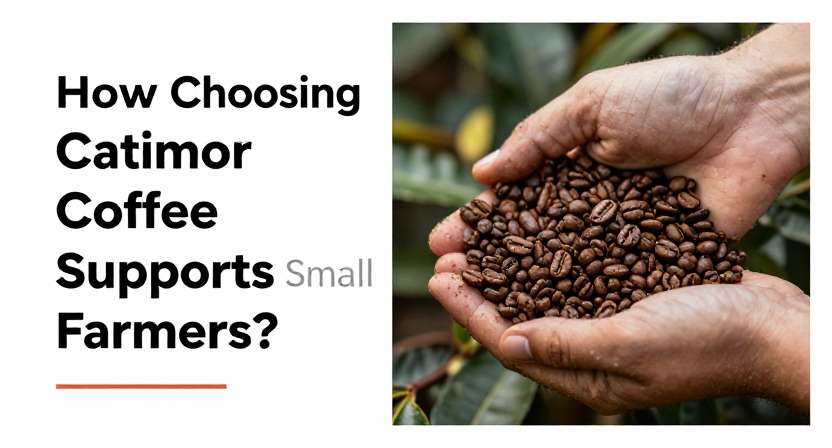
When you pour yourself a steaming cup of Catimor coffee, you’re not just savoring its bold aroma and unique flavor profile—you’re connecting to a larger narrative woven through the lives of small farmers across Latin America and Asia. This hybrid coffee variety represents far more than a beverage choice; it embodies a philosophy of sustainability, disease resistance, and ethical sourcing that transforms entire farming communities.
What Is Catimor Coffee?
Catimor is a hybrid coffee variety created through careful cross-breeding of the Hibrido de Timor and Caturra cultivars. Developed with the specific goal of combining the best characteristics of both Arabica and Robusta species, Catimor inherits the hardiness and pest resistance from its Robusta lineage while retaining the smoother, more nuanced flavor profile associated with Arabica. This genetic fusion makes it a practical and flavorful choice for farmers working in challenging growing conditions.
The plant itself has a compact, bushy structure with multiple branching stems, allowing farmers to cultivate higher plant densities per hectare. Young leaves display a distinctive reddish hue, and the coffee cherries ripen quickly—a trait that significantly increases productivity compared to wide traditional varieties.
Understanding what catimor coffee requires exploring its unique genetic background and the innovative breeding program that created this resilient variety.
The Distinctive Flavor Profile of Catimor
What makes Catimor truly special is its complex flavor profile that bridges two distinct coffee worlds. The brewed coffee has a light brown color and a smooth texture, appealing to both specialty coffee enthusiasts and newcomers. Unlike pure Robusta, which can be intensely bitter, Catimor balances mild bitterness with bright acidity and a gentle sweetness inherited from both parent varieties.
Depending on growing altitude and processing methods, Catimor coffee exhibits a remarkable range of flavor notes:
- Lower Elevations (600-1,000 meters): Strong, earthy body with prominent nutty undertones.
- Higher Altitudes (1,200+ meters): Brighter cup with citrus acidity and floral complexity.
- Medium-Dark Roasts: Chocolate and hazelnut notes emerge prominently.
- Natural Processing: Herbal and tea-like flavors develop.
- Washed Processing: Clean acidity with fruit-forward characteristics
Specialty coffee cupping reports reveal that well-processed Catimor displays ripe berries, cherry, herbal complexity, and nuttiness. This crowd-pleasing combination leans into the fruity world of Arabica while maintaining robust undertones.
Why Catimor Matters to Small Coffee Farmers?
The agricultural advantages of Catimor extend far beyond simple yield increases. Small coffee farmers across Latin America and other regions face mounting pressures from environmental uncertainty, climate change, and devastating crop diseases such as coffee leaf rust. Catimor addresses these critical challenges directly.
Key Benefits for Farming Communities
- Disease Resistance: Catimor’s genetic composition provides inherent resistance to coffee leaf rust and other common pests, significantly reducing crop failures and the need for expensive chemical treatments.
- Environmental Adaptability: Unlike many traditional Arabica varieties that demand specific growing conditions, Catimor flourishes across a range of climates and elevations, enabling farming in previously unviable areas.
- Increased Productivity: The plant’s compact growth pattern and quick cherry maturation result in higher yields per hectare, directly translating to improved household income.
- Economic Resilience: These traits provide financial security for families reliant on successful harvests, transforming Catimor from merely a coffee variety into a genuine lifeline for rural communities.
Coffee farmers who have embraced Catimor cultivation report significant improvements in their economic stability and ability to weather challenging growing seasons. For deeper insights into the people behind your coffee, learn about the farmers behind your cup of Catimor and their remarkable stories.
The Journey from Farm to Cup
The transformation of a Catimor cherry into your morning cup represents meticulous craftsmanship and deep agricultural knowledge. Small farmers begin their day before dawn, carefully inspecting trees and handpicking only the ripest cherries. This labor-intensive process ensures quality from the very first harvest decision.
Processing Excellence
Following harvest, detailed post-processing methods distinguish quality Catimor from mass-produced alternatives:
- Cherry Selection: Only fully ripe cherries are selected for processing
- Pulping: Mechanical removal of fruit flesh while preserving bean integrity
- Fermentation: Controlled breakdown of mucilage to enhance flavor development
- Washing: Multiple rinses to remove remaining fruit residue
- Drying: Careful monitoring of moisture levels and temperature
- Hulling: Final removal of parchment layer before export
This commitment to quality reflects generations of accumulated farming knowledge and represents a stark contrast to industrialized coffee production. The complete process showcases how coffee is made from bean to brew with attention to every detail.
The Importance of Ethical Sourcing
Ethical sourcing transcends marketing language—it represents a genuine commitment to fair trading practices that directly impact human lives. When you choose Catimor coffee from ethically responsible sources, you ensure that farmers receive fair compensation and work under dignified conditions.
This approach creates ripple effects throughout rural communities:
- Direct Economic Impact: Fair wages allow farmers to reinvest in their farms, purchase better equipment, and improve family living standards.
- Cultural Preservation: Adequate compensation enables the continuation of traditional farming techniques and the refinement of indigenous agricultural knowledge over generations.
- Environmental Stewardship: Fair prices for quality coffee incentivize sustainable farming practices that maintain biodiversity and soil health.
- Community Development: Stable income supports local schools, healthcare facilities, and infrastructure improvements.
These impacts demonstrate why choosing ethically sourced coffee matters beyond individual taste preferences. The specialty coffee movement increasingly recognizes that quality and ethical practices strengthen rather than compete with each other.
Catimor in the Specialty Coffee Movement
While Catimor coffee may not always command the same prestige as traditional single-origin Arabicas in elite specialty coffee circles, its unique characteristics and proven resilience have earned it a dedicated and growing following. Recent years have witnessed a significant shift in specialty coffee roasters’ attitudes toward Catimor, with many now actively exploring and showcasing this variety’s potential.
Changing Perceptions
This growing appreciation reflects a maturing understanding within the specialty coffee industry. Catimor demonstrates that disease-resistant, high-yield varieties need not sacrifice complexity or quality. Progressive roasters now recognize that exceptional flavor can emerge from hybrid varieties when proper cultivation and processing techniques are applied.
The variety’s acceptance in specialty coffee represents a broader evolution toward sustainability-focused evaluation criteria. Modern coffee professionals increasingly value varieties that support farmer livelihoods while delivering outstanding sensory experiences.
For comprehensive insight into specialty coffee appreciation, explore educational resources about specialty coffee education that cover quality evaluation and brewing techniques.
Brewing Catimor: Methods and Techniques
The balanced profile of Catimor coffee makes it remarkably versatile across brewing methods. For optimal flavor extraction, use a ratio of 10 grams of ground coffee to 175 milliliters of water, adjusting to personal taste.
Recommended Brewing Approaches
Pour-Over Method
- Grind: Medium-fine
- Water Temperature: 92-96°C
- Extraction Time: 3-4 minutes
- Ideal for appreciating Catimor’s balanced profile and bright acidity
French Press
- Grind: Coarse
- Extraction Time: 4 minutes
- Highlights heavy body and chocolatey richness
- Produces a full-bodied experience with minimal acidity
Espresso
- Grind: Fine
- Pressure: 9 bars
- Extraction Time: 25-30 seconds
- Creates bold, syrupy texture with nutty complexity
Cold Brew
- Grind: Coarse
- Steeping Time: 12-24 hours
- Emphasizes smooth sweetness and reduced acidity
- Perfect for highlighting fruit notes
To master these techniques and avoid common mistakes, explore detailed guidance on brewing coffee like a pro.
Storage Recommendations
To preserve Catimor’s aromatic qualities, seal the coffee bag tightly and store it at room temperature, and consume it within 1 week of opening. Avoid refrigeration, as moisture can significantly diminish flavor complexity. Whole beans maintain freshness longer than ground coffee, so grind only what you need for each brewing session.
Supporting Small Coffee Farmers Through Your Choices
Your decision to purchase Catimor coffee carries profound implications that extend far beyond personal taste satisfaction. The decision to support ethical sourcing strengthens entire households, schools, and communities linked by coffee-farming networks. It preserves traditional farming practices, ensuring that generations of accumulated knowledge are not lost as rural communities face economic pressure to abandon agriculture.
Community Impact
When you choose ethically sourced Catimor, you participate in a system that:
- Provides stable year-round income to farming families.
- Supports local education by enabling parents to afford school fees.
- Maintains traditional agricultural knowledge and techniques.
- Encourages environmental conservation practices.
- Strengthens rural economies through multiplier effects.
By choosing Catimor—particularly from ethically certified sources—you support a system that encourages farming practices that respect both land and people. You become part of a community that recognizes coffee farmers not as commodity producers but as stewards of biodiversity and custodians of agricultural heritage.
The Role of Altitude and Processing in Flavor Development
One fascinating aspect of Catimor production involves how altitude and processing methods dramatically influence the final cup. In regions like Yunnan, China, and various Latin American origins, high-altitude cultivation combined with careful processing produces lovely coffee with a whole, creamy body and bright citrus acidity.
Altitude Effects on Flavor
High Altitude (1,200+ meters)
- Slower cherry development creates denser beans
- Enhanced acidity and complexity
- Floral and citrus note development
- An extended growing season concentrates sugars
Medium Altitude (800-1,200 meters)
- Balanced sweetness and body
- Nutty and chocolate characteristics
- Moderate acidity levels
- Consistent flavor development
Lower Altitude (600-800 meters)
- Fuller body with earthy undertones
- Reduced acidity
- Enhanced nutty flavors
- Faster cherry maturation
The aroma profile becomes remarkably wide at higher altitudes, incorporating hints of black tea, spices, chocolate, dried cherries, and balanced nuttiness. This altitude factor connects directly to Catimor’s growing popularity in specialty coffee circles.
For comprehensive information on sustainable farming practices that optimize flavor development, explore sustainable coffee farming in Latin America.
How Beginners Can Appreciate Catimor Coffee
If you’re new to specialty coffee exploration, Catimor offers an ideal entry point. Start with a simple pour-over method that lets you appreciate the coffee’s balanced profile without complex equipment or technical expertise. As you brew, pause to notice the vibrant fruity notes alongside subtle nutty undertones—this duality exemplifies Catimor’s unique character.
Tasting Guide for Beginners
- Aroma Evaluation: Notice the dry and wet fragrance before and after adding water
- First Sip: Focus on initial sweetness and acidity levels
- Body Assessment: Evaluate the coffee’s weight and texture in your mouth
- Flavor Notes: Identify primary flavors like fruit, nuts, or chocolate
- Finish: Pay attention to lingering flavors after swallowing
Reflecting on the care invested in every bean enriches the sensory experience. Understanding that your coffee comes from disease-resistant plants grown by farmers in sustainable conditions adds meaningful context to the ritual of coffee consumption.
Catimor’s Growing Global Presence
Catimor has become increasingly common in Asian coffee-producing regions, particularly Vietnam, India, and Indonesia, where the combination of pest-resistant genetics with commercially appealing flavor characteristics attracts farmers seeking viable alternatives to traditional varieties. In Latin America, Catimor cultivation continues to expand as farmers recognize its potential to maintain both quality and sustainability in challenging environments.
Regional Adaptations
Asia-Pacific Region
- Vietnam: Large-scale cultivation for export markets
- India: High-altitude plantations producing specialty grades
- Indonesia: Island-specific microlot production
Latin America
- Central America: High-altitude specialty production
- South America: Disease-resistant cultivation in challenging climates
- Caribbean: Small-farm sustainable production
This geographic expansion reflects a fundamental shift in global coffee production—a recognition that resilience and quality need not be mutually exclusive. As climate pressures intensify and environmental concerns grow more pressing, Catimor’s combination of adaptability and flavor complexity positions it as increasingly central to coffee’s sustainable future.
For a detailed exploration of coffee brewing techniques across different regions, visit comprehensive guides on coffee brewing techniques that showcase global approaches to coffee preparation.
The Broader Impact of Ethical Coffee Choices
Choosing Catimor coffee transcends personal preference; it represents a statement of support for small farmers, a commitment to ethical practices, and respect for the dedication required to cultivate exceptional coffee. When you savor Catimor, you join a global community that cherishes people, stories, and the interconnection between consumption choices and human welfare.
Long-term Sustainability
The choice to support Catimor cultivation contributes to:
- Climate Resilience: Disease-resistant varieties help farmers adapt to changing environmental conditions.
- Economic Stability: Reliable yields provide consistent income for farming families.
- Knowledge Preservation: Sustainable farming practices maintain traditional agricultural wisdom.
- Environmental Protection: Reduced chemical inputs protect soil and water resources.
- Community Development: Stable coffee income supports infrastructure and social programs.
This connection—from farmer to drinker—embodies the essence of ethical coffee consumption. It acknowledges that behind every bag of beans exists a network of human relationships, environmental stewardship, and agricultural knowledge deserving respect and fair compensation.
The impact extends beyond individual purchases to influence industry standards, farming practices, and global coffee trade policies. By consistently choosing ethically sourced Catimor, consumers signal a demand for sustainable practices that benefit everyone in the coffee supply chain.
Conclusion
Catimor coffee represents far more than a beverage—it’s a testament to agricultural innovation, community resilience, and the possibility of enjoying exceptional flavor while supporting ethical practices. By understanding why Catimor matters, you transform a daily coffee ritual into a conscious choice that impacts real lives and promotes sustainable farming practices.
Every cup tells a story worth celebrating: from the careful selection of parent varieties to create disease resistance, through the dedicated farmers who nurture each plant, to the skilled processors who unlock flavor potential. Your choice to drink Catimor supports this entire ecosystem of knowledge, tradition, and innovation.
The variety’s growing acceptance in specialty coffee circles reflects a maturing industry that values sustainability alongside quality. As climate change and economic pressures challenge traditional coffee farming, Catimor offers hope for a future where exceptional coffee and farmer welfare can thrive together.
Every purchase contributes to a more equitable global coffee future where quality, sustainability, and farmer welfare align. In choosing Catimor, you participate in a movement that recognizes coffee as more than a commodity—it’s a bridge between cultures, a support system for rural communities, and a daily reminder of our interconnected world.