
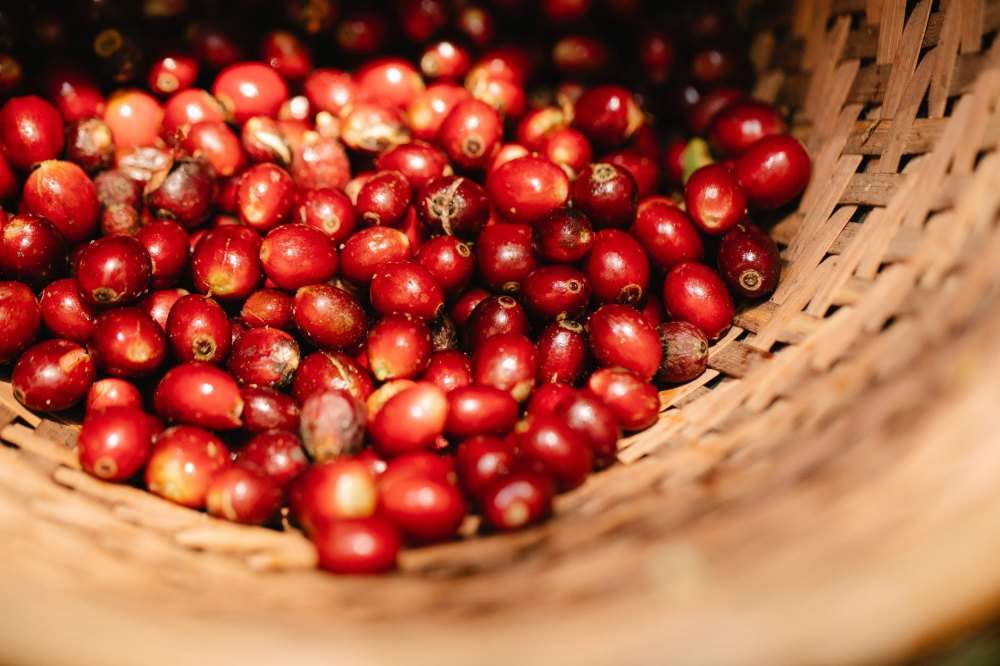
Coffee lovers often speak of rich aromas, deep heritage, and soulful connections in every cup they brew. But among the many coffee varieties that have touched the hearts of drinkers globally, Catimor coffee carries a story that binds human perseverance with agricultural innovation. In this article, we will unpack what Catimor coffee truly is, where it comes from, why it was developed, and how its journey has reshaped the way the coffee world thinks about variety, resilience, and taste.
What Is Catimor Coffee?
At its heart, Catimor coffee is a unique Arabica coffee variety—but it stands apart from the classics many of us first learn about. Unlike traditional Arabica varieties such as Typica or Bourbon, Catimor is a hybrid coffee variety born from intentional breeding rather than natural mutation. It was created by crossing two distinct coffee lines: Caturra and Timor Hybrid.
The Caturra line contributes desirable cup qualities, such as sweetness and balance, while the Timor Hybrid brings a powerful trait to the mix: disease resistance. The Timor Hybrid itself is an interspecific coffee plant, born from natural crossing between Coffea arabica and Coffea canephora (Robusta), offering robustness in the face of common coffee plant diseases.
Because of this genetic blend, Catimor coffee walks a path between tradition and innovation. It belongs to the Arabica coffee family in classification, yet its heritage includes the resilient DNA of Robusta through the Timor Hybrid parent. Coffee growers and home baristas alike find in Catimor a profile that is both reliable and capable of surprising depth when cultivated with care.
Where Does Catimor Coffee Come From?
The story of Catimor coffee begins in the mid‑20th century, born from urgency and hope. Coffee leaf rust—a devastating fungal disease—was ravaging coffee farms across the world. Traditional Arabica varieties, prized for their flavor, were shockingly vulnerable. This crisis ignited a race among agricultural scientists to develop a plant that could withstand diseases without sacrificing too much on quality.
Scientists at research institutions focused on creating a hybrid that married flavor potential with hardiness. Their work led to the crossbreeding of Caturra with Timor Hybrid, resulting in the Catimor line. The intention was clear: grow coffee that survives where others fail, and give farmers a lifeline in disease‑prone regions.
After its development, Catimor coffee spread across coffee‑producing countries. Though it can be grown in a range of climates and altitudes, it flourished particularly in Latin America and other regions with challenging conditions where leaf rust and pests once threatened livelihoods. From the lush hillsides of Central and South America to highland regions in Asia and beyond, Catimor’s adaptability has allowed it to take root where traditional varieties struggled.
Why Catimor Coffee Was Created
Understanding why Catimor coffee variety came into existence evokes a deep appreciation for both scientific innovation and human resilience. Coffee farming is not just agriculture; it is a lifeline for millions. When leaf rust began to destroy crops in the 20th century, entire communities faced heartbreak and financial ruin. Traditional Arabica varieties, despite their exquisite cup profiles, lacked the necessary defense against disease.
Catimor was created to offer disease resistance, higher yield, and greater adaptability, giving farmers a fighting chance. The crossbreeding process did more than produce a coffee plant—it offered renewed hope to coffee‑growing regions struggling to survive economically and environmentally.
This purpose continues to resonate today. While some coffee purists once dismissed Catimor for lacking the nuanced flavors of more traditional Arabica lines, growers and specialty producers are rediscovering its potential. When nurtured at the right altitudes and processed thoughtfully, Catimor coffee can yield cups with vibrant acidity, fruity undertones, and a clean finish that surprises even seasoned drinkers.
What Makes Catimor Coffee Different?
Unlike pure Arabica coffee varieties that have evolved over centuries, Catimor coffee results from human‑guided crossbreeding. This gives it characteristics that are both practical and fascinating:
- Disease resistance: Thanks to the Timor Hybrid influence, Catimor withstands coffee leaf rust and many common pests that devastate other varieties.
- Hardy growth: Catimor’s genetics allow it to flourish in diverse environmental conditions, making it accessible to farmers in many regions.
- High yield: The plant’s robust nature supports larger yields, which contributes to food security and economic stability for growers.
These traits are not merely scientific footnotes—they’re lived realities for communities that depend on coffee for income and identity.
Flavor and Cup Profile
People often ask: What does Catimor coffee taste like? While the flavor of Catimor beans can vary based on growing conditions and processing methods, expertly cultivated Catimor can deliver a memorable cup. For many drinkers, the flavor profile includes balanced acidity, subtle fruitiness, and a smooth, clean finish—qualities that defy early assumptions that Catimor was solely a commercial workhorse.
This evolution in perception shows how Catimor coffee, when respected and cared for, can stand shoulder to shoulder with its more celebrated cousins in the Arabica family.
Where Is Catimor Coffee Grown Today?
From the moment its seeds spread beyond research stations, the Catimor coffee variety began a life of movement and adaptation:
- In Latin America, Catimor found fertile ground in regions where weather and disease pressure once made coffee farming precarious.
- Its reach expanded into high altitude and tropical regions where resilience mattered as much as flavor.
- Across continents, from the Americas to Asia and Africa, Catimor became a symbol of how science can support tradition.
For many growers, Catimor is more than a crop—it’s a partner in their daily struggle for sustainability. Because of its adaptability, it has opened doors for specialty cultivation in areas previously considered too risky for coffee farming.
Why Catimor Coffee Matters to Beginners and Enthusiasts
For someone just starting to explore coffee varieties, Catimor offers a compelling story that blends biology, culture, and emotion. It teaches us that coffee is not just about flavor; it’s about resilience, survival, and hope in the face of adversity.
- Educational Insight for Novices
If you’re new to coffee education, Catimor offers a clear lesson: not all coffee is created equal. Varieties develop because growers face real problems—disease, climate, and economic pressures—and plants like Catimor are responses to those challenges. Understanding this gives depth to every sip. - Sensory Exploration
By trying Catimor coffee, beginners can experience firsthand how variety, altitude, and processing influence taste. Catimor’s profile can surprise you with brightness, nuanced sweetness, or clean crispness depending on how it was grown and roasted. - Emotional Connection
When you hold a cup of Catimor coffee, there’s a tangible link to the soil it grew in, the hands that harvested it, and the scientists who once dreamed of a plant that could withstand devastation. That thread of humanity makes every cup meaningful.
Conclusion
Catimor coffee is more than just another Arabica variety. It is a testament to human ingenuity, a story of adaptation, and an invitation to broaden our appreciation for coffee beyond the familiar. From its origins in a crossbreeding program designed to fight disease, to its presence in farms across challenging climates, Catimor reflects strength and versatility.
If you’re beginning your journey into coffee education or looking to deepen your appreciation for the beans in your grinder, understanding Catimor coffee is a step toward seeing coffee as a living, breathing heritage — one that carries with it history, struggle, and beauty in every cup.